
Attack First.
Defend Better.
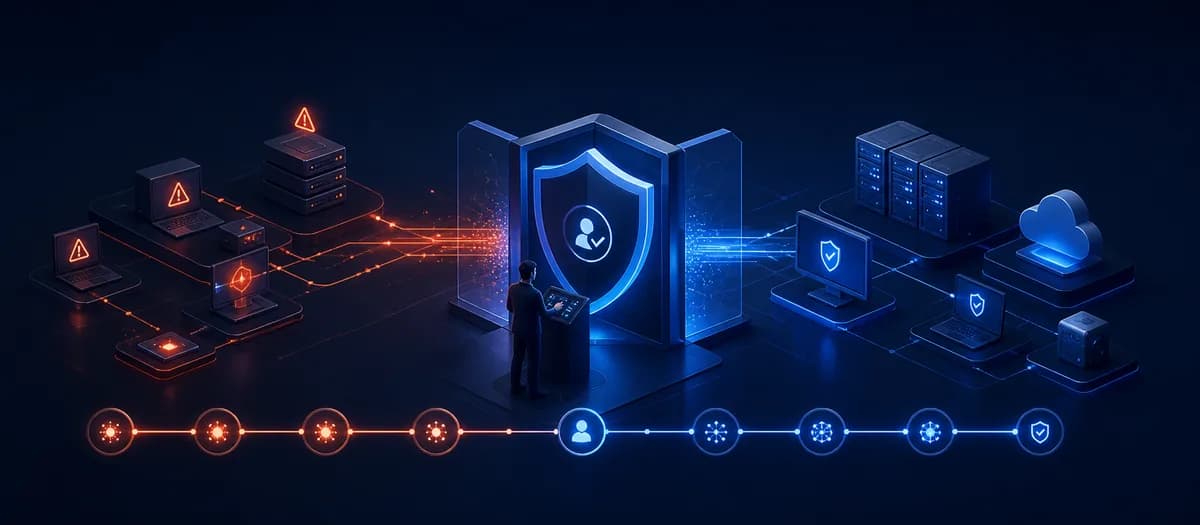
Expose real attack paths, maintain continuous visibility, and respond decisively when threats become incidents — across one connected security lifecycle.

Offensive to expose risk. Defensive to maintain control.
Our services are organized into two primary groups so you can move directly to the outcome you need. The structure is designed to expand as new practices are introduced.
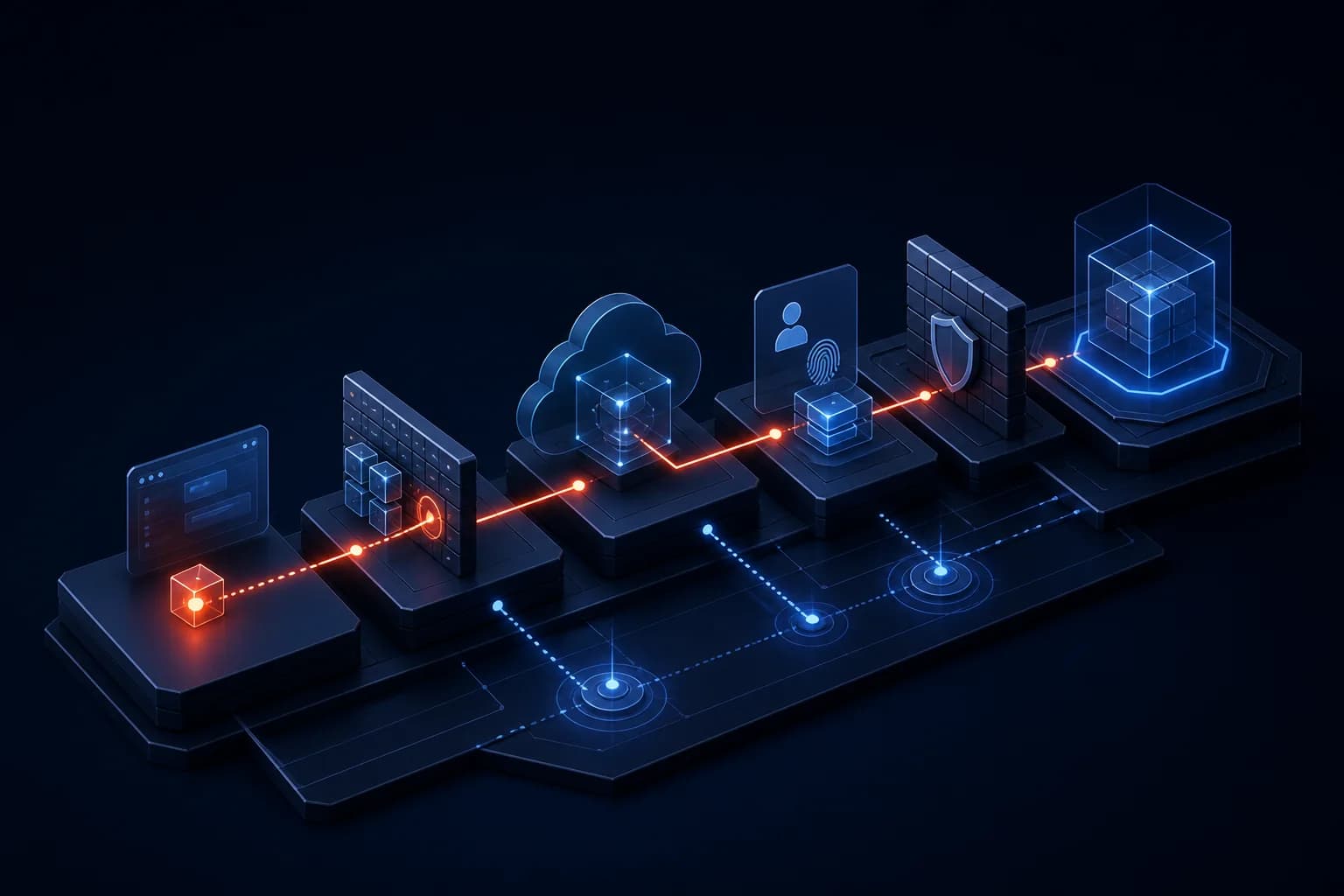
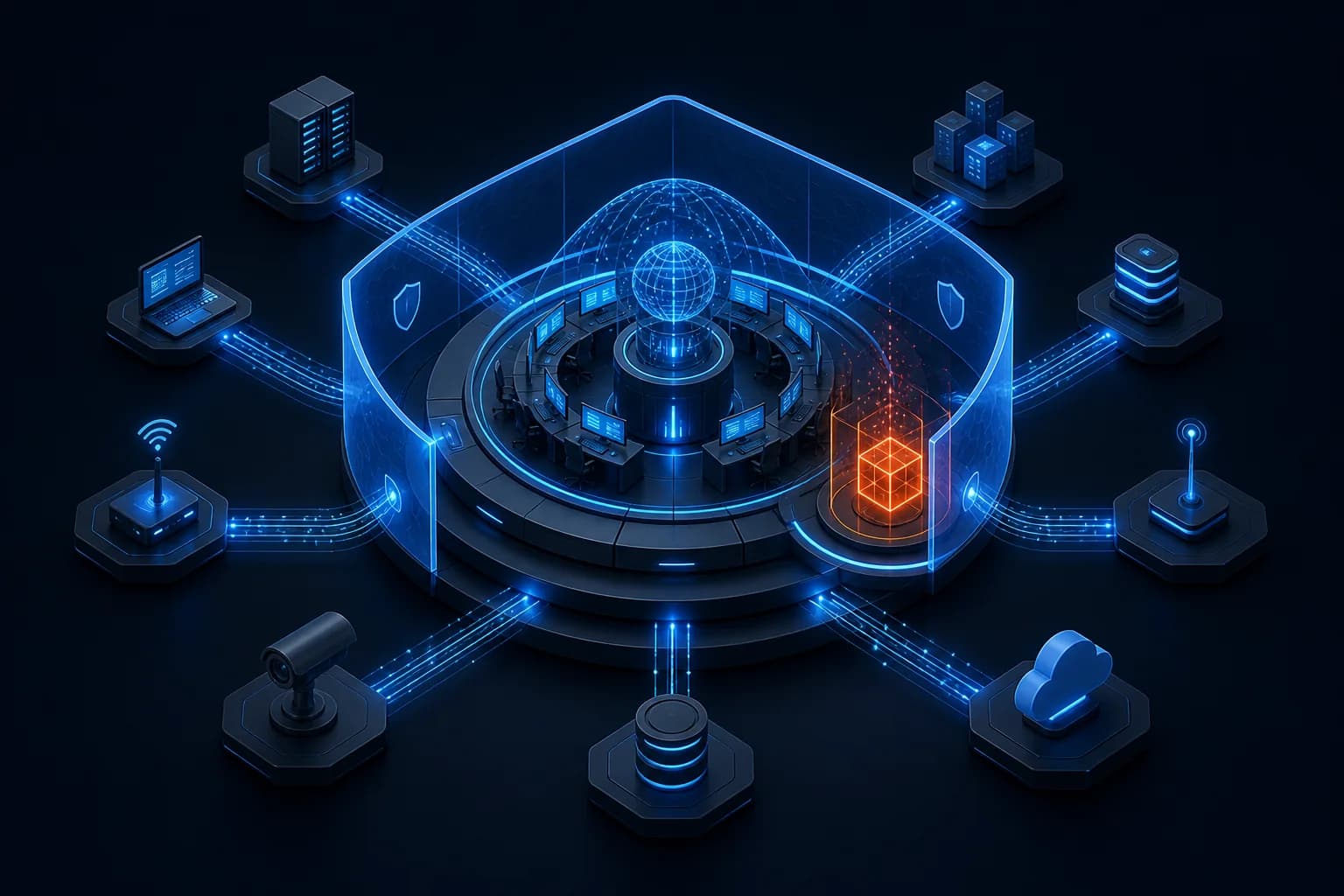
Compliance and consulting support every service group with governance, regulatory alignment, and audit-ready evidence.
Think Like an Attacker.
Protect What Matters.
A team of certified offensive security specialists (OSWE, OSCP+, OSWP, and more) with a track record across fintech, blockchain, government, and enterprise environments — delivering a clear, prioritized picture of your real-world risk and a practical path to fixing it, with Swiss standards of accountability and neutrality.
White-box depth
Access to source code and engineering teams for complete coverage.
Offense informed by defense
Our methodology is shaped by how top-tier EDRs and SOCs detect attacks.
Recognized researchers
Core team regularly publishes CVEs and performs independent research.
Executive-ready reporting
High-level risk communication alongside technical exploitation details.
Remediation focus
Not just findings—remediation advice that actually fits your architecture.
Right-sized engagements
Flexible scoping designed for startups to multinational infrastructure.
Expose weaknesses before they become incidents.
Adversary simulation, application and infrastructure testing, specialist assessment, source review, and secure delivery.
Offensive Infrastructure
Offensive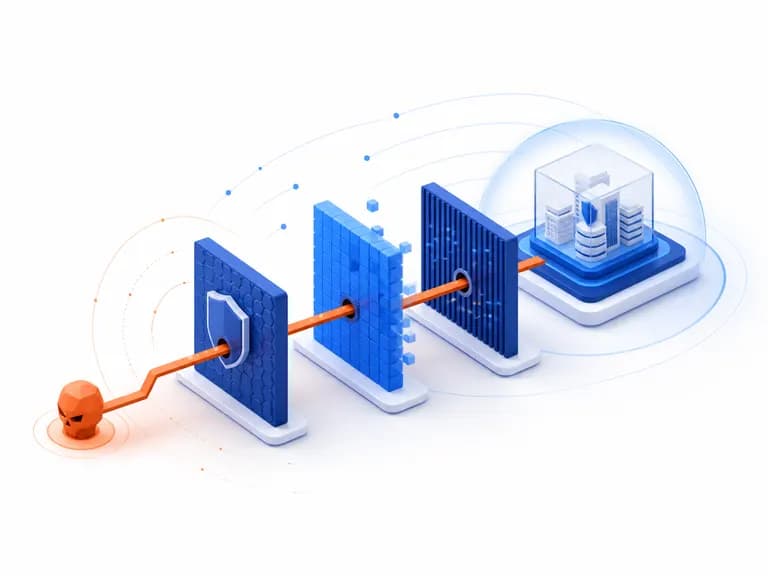
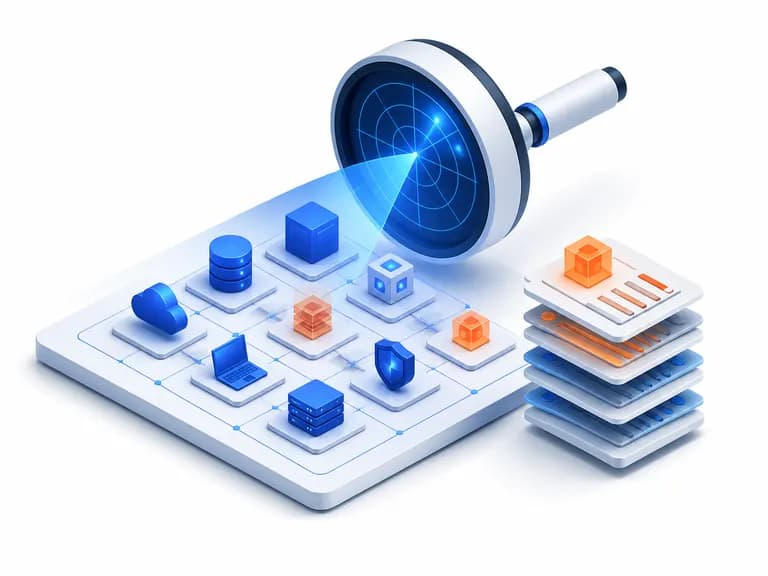
Platform & Infrastructure Testing
Offensive
Specialized & Emerging Technology
Offensive
Assessment & Secure Delivery
Offensive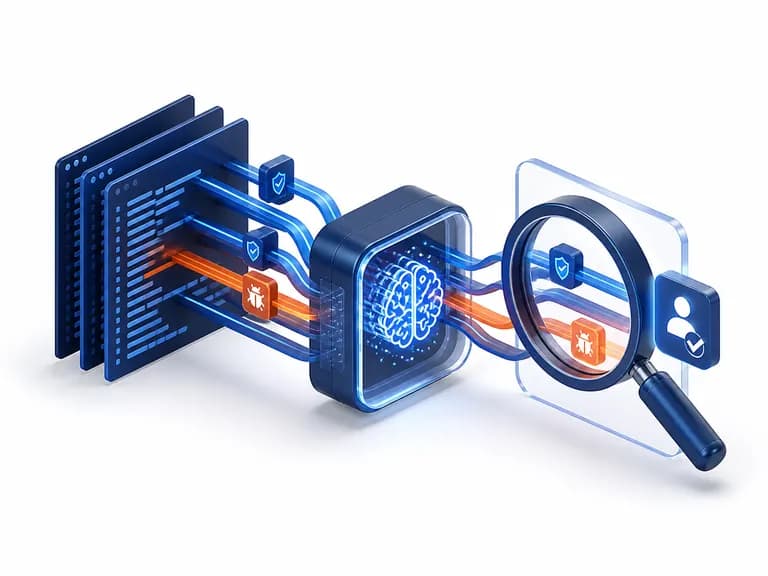
Not sure where to start?
Talk to our security engineers. We'll help you scope the right test — Red Team, pentest, or code review — based on your infrastructure, stack, and compliance needs.
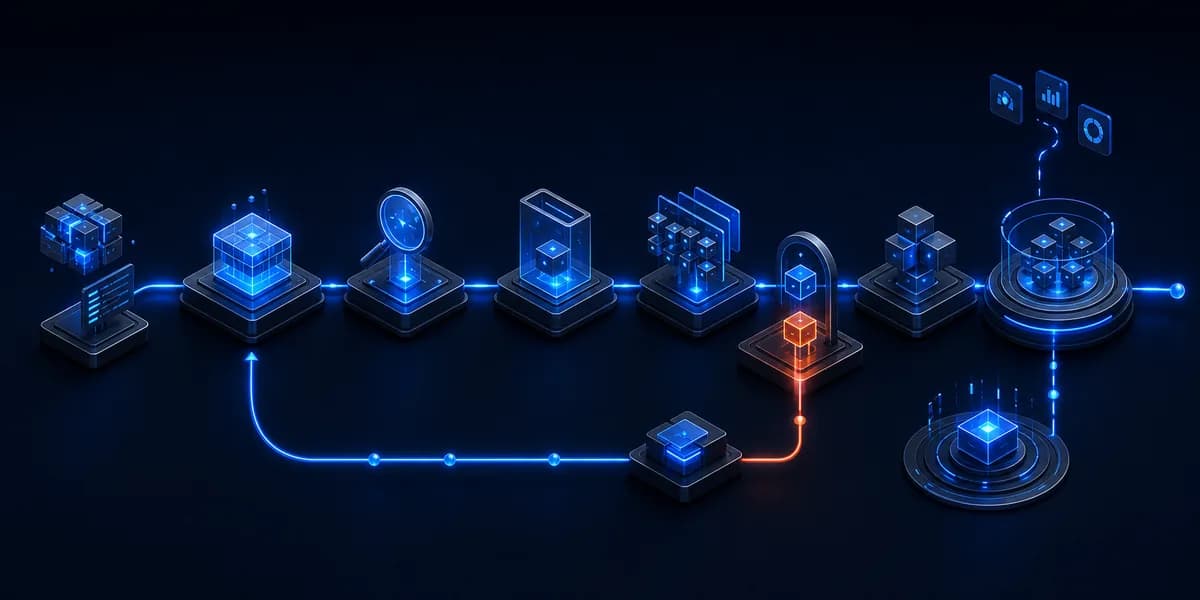
Structured Offensive Methodology
Our offensive engagements follow a structured, industry-standard methodology so results are consistent, defensible, and easy to act on. Web application testing is aligned to the OWASP Top 10 (2021), and all findings are scored using CVSS v4.0.

- 01
Scoping
Define targets, rules of engagement, objectives, and what's out of scope.
- 02
Recon & Mapping
Enumerate the attack surface: endpoints, hosts, roles, integrations.
- 03
Exploitation
Safely exploit vulnerabilities to demonstrate real impact, not theory.
- 04
Post-Exploitation
Assess lateral movement, privilege escalation, and data exposure.
- 05
Reporting
Prioritized findings with reproduction steps, evidence, and fixes.
- 06
Retest
After you fix, we verify the issue is genuinely closed.
Testing Approaches
| Approach | Access level | Best for |
|---|---|---|
| Black-Box | Zero knowledge, no credentials or internal access | Simulating an external attacker discovering vulnerabilities from scratch |
| Grey-Box | Partial knowledge — a standard user account or API documentation | Modeling an insider threat or post-breach behavior against authenticated functionality |
| White-Box | Full access to source code, architecture, and design | Uncovering deeply hidden, code-level, and architectural flaws |
Risk Rating — CVSS v4.0
| Severity | CVSS score | Meaning |
|---|---|---|
| Critical | 9.0 – 10.0 | Easily exploited with catastrophic impact; must be fixed immediately. |
| High | 7.0 – 8.9 | Serious weakness with major potential impact; fix with high priority. |
| Medium | 4.0 – 6.9 | Meaningful impact under specific conditions; should be remediated. |
| Low | 0.1 – 3.9 | Limited impact; lower priority. |
| Informative | 0.0 | Best-practice recommendations and hardening opportunities. |
Reporting you can act on
Every engagement concludes with an executive summary of business risk, a severity breakdown of all findings, step-by-step reproduction and evidence for each issue, and concrete remediation guidance. Findings are tracked through statuses — Open, Closed, Partially Remediated, or Risk Accepted — so progress is transparent from first draft to final retest. We pair manual expertise with best-in-class tooling including Burp Suite, Nmap, Metasploit, Nuclei, SQLMap, ffuf, and Dirsearch.
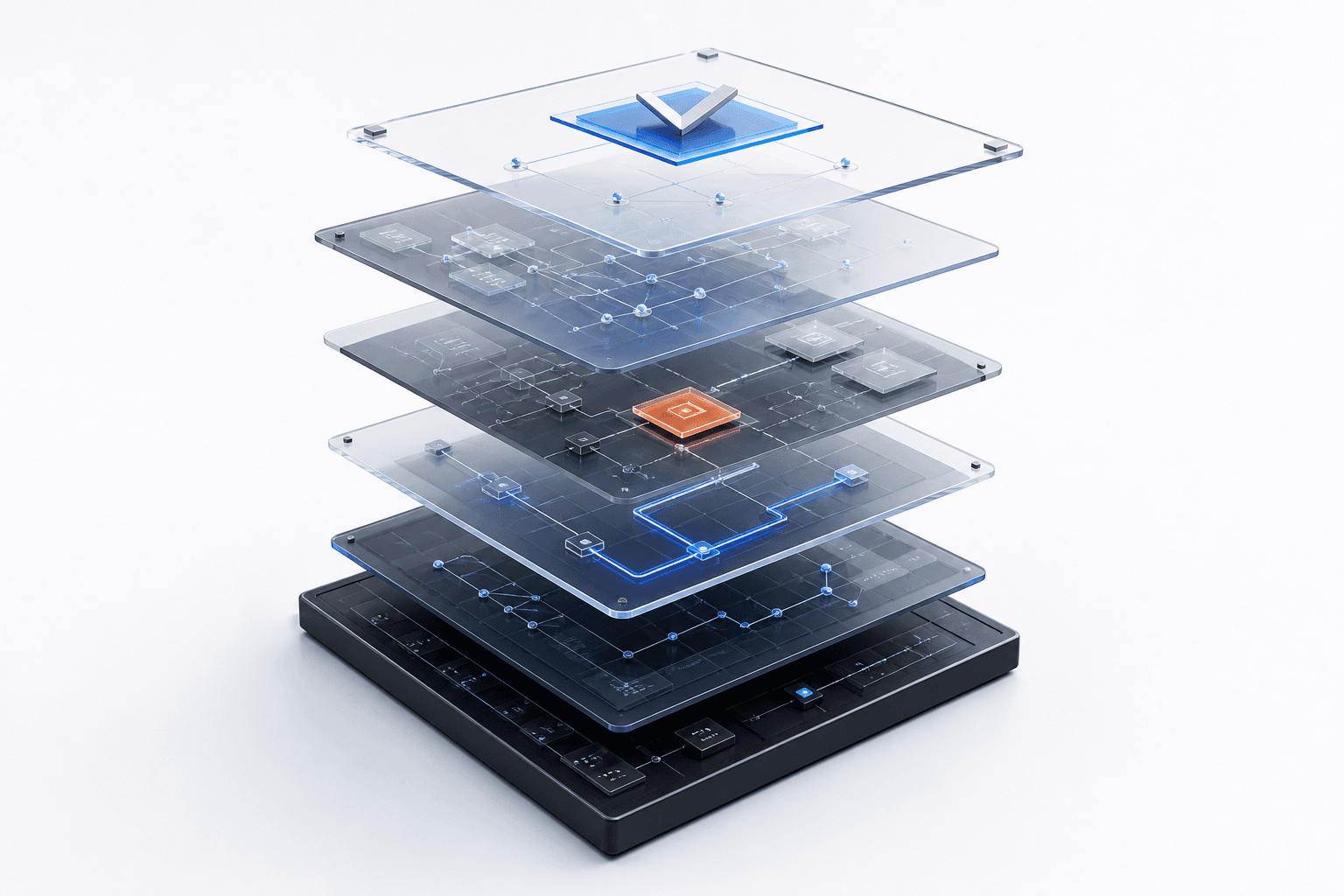
Offensive Security Services
A comprehensive breakdown of modern offensive security testing — from full-scope adversary simulation to targeted application and infrastructure assessments.

Small
~1 weekTargeted testing of a specific feature, a small web app, or a small external footprint.
Medium
2 – 4 weeksA standard deep-dive web app assessment, or internal Active Directory / complex network testing.
Large
~8 weeksFull-scale Red Team operations or complex white-box testing.
Web & Mobile Application Testing
| Application profile | Team | Duration |
|---|---|---|
| Small / simple(e.g. static marketing site with 1–2 forms) | 1 tester | 3 – 5 days |
| Medium / standard(e.g. SaaS platform with user roles, dashboards, APIs) | 1 – 2 testers | 2 weeks |
| Large / enterprise(e.g. banking portals, complex ERPs with microservices) | 2 testers | 3 – 4 weeks |
Infrastructure & Network Testing
| Scope | Team | Duration |
|---|---|---|
| Internal network (up to 250 IPs) | 1 tester | 1 – 2 weeks |
| External network (up to 50 IPs) | 1 testers | 3 – 5 days |
| Full Active Directory audit (GPOs, Kerberos, privilege escalation) | 1-2 testers | 2 weeks |
Red Team Operations
| Scenario | Team | Duration |
|---|---|---|
| Standard simulation (initial access → lateral movement → objective) | 2 – 3 testers | 4 – 8 weeks |
| Assumed compromise (start from an internal workstation) | 2 testers | 2 – 3 weeks |
Reverse Engineering & Binary Analysis
| Focus | Team | Duration |
|---|---|---|
| Firmware / IoT analysis | 1 tester | 2 – 4 weeks |
| Malware analysis / deep protocol reversing | 1 tester | 1 – 2 weeks per sample |
Visibility and response that stay operational.
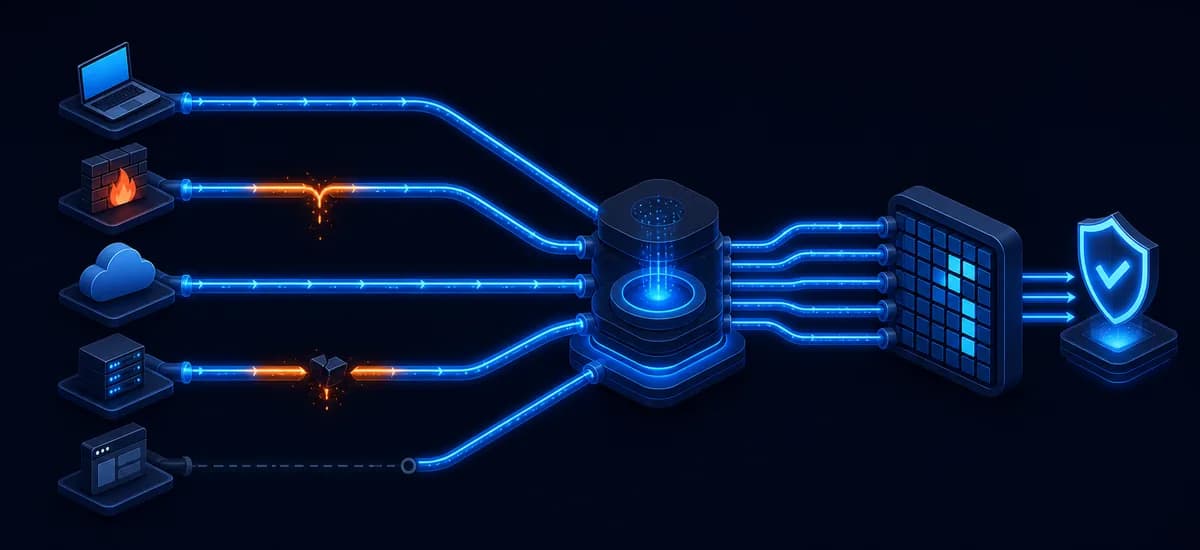
Defensive engagements are continuous or readiness-led: establish telemetry coverage, monitor and investigate around the clock, then coordinate evidence-preserving response when an incident occurs.
Explore defensive overviewManaged Security & Incident Response
Defensive
Need to expose risk—or respond to it?
Tell us what you need to validate, monitor, or contain. We'll map the right engagement and next action.